
Review: Russian Circles ‘Nine’
Chicago-based instrumental pioneers Russian Circles have long been synonymous with complex songwriting, powerful emotional narratives, and bridging the gap between abstract beauty and punishing heavyweight riffing.
Since the bright, math-rock influences of their 2006 debut Enter, through its follow-up and fan-favourite Station, the evolution into heavier, sludgier material with their Sargent House debut Empros in 2011, and the run of Kurt Ballou albums that seemingly reached a creative high point in 2022, the band have continually sought to forge forward and refine their sound.
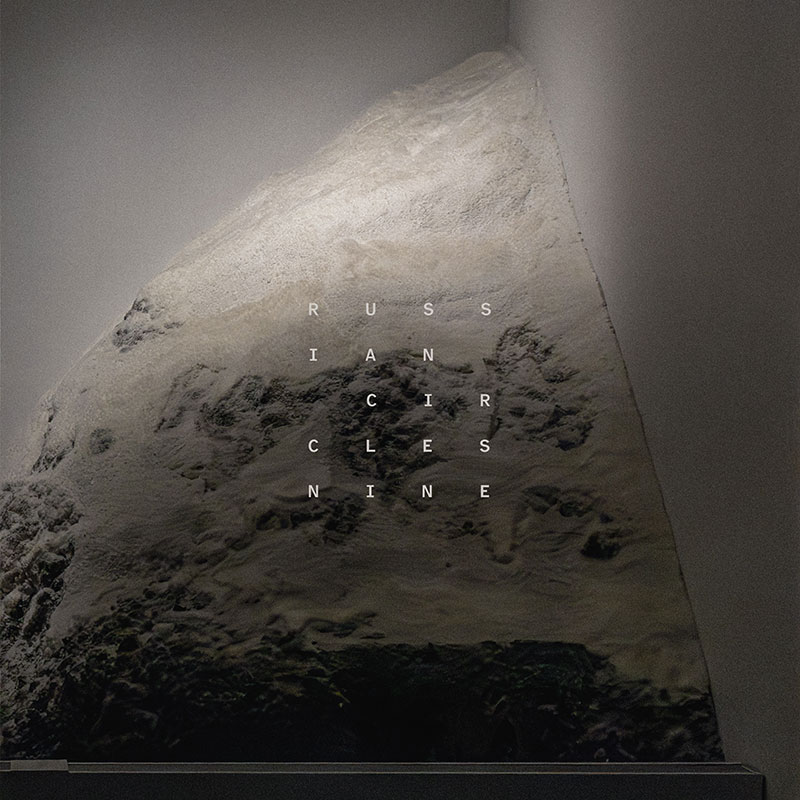
Somewhere in the last touring cycle for the critically acclaimed Gnosis, the band turned twenty years old and celebrated by just continuing to do what they do. No fanfare, no special album run-through, just staying on the grind which has seen them become an unparalleled force in instrumental post-rock. With the release of new album Nine, they look to continue their reputation for consistency, quality, and far-reaching exploration.
Now, several years later, the band – whose members have spread their geographical wings and are scattered between Chicago, Los Angeles, and a rural island off the coast of Seattle – have deepened their wide range of influences and added layers to their shared vision of expansive, provocative creation.
The latest album sees them reunite once more with the Converge guitarist, a relationship that has been forged over a decade. The understanding of the band’s goals and aesthetics that Ballou brings shines through in the crystal-clear production, carrying the weight of the hardcore metal sound while allowing the bright moments of subtlety to glow.
Nine begins with the moody, atonal sounds of Borehole, inspired by the abandoned Russian Kola Superdeep Borehole – the deepest man-made hole on Earth. The jarring opening notes and industrial-influenced jackhammer drums create a claustrophobic, metalised edge. Pinging high notes and discordant melodies floating over the rumbling bass contrast with heavy, slamming passages, creating a cyclical sound that cannot escape the all-encompassing heavy gravity they conjure.
Droning sounds and a gritty bassline emerge on Empath before frantic, buzzing riffs that wouldn’t feel out of place on a black metal album hum and vibrate against taut drums. Staccato stabs of heavy guitar and pummelling drums slow the pace to a relentless stomping, as the band mingle granular shifts and tonal changes into an extended ending that evolves through stages of a complete metal workout. In just under five minutes, they have menacingly walked through several distorted styles of heavy music with a seamless transition that is quite remarkable.
Running over eight minutes, Eluvial is the album’s centrepiece. Starting with bright, pinging electronics and groaning synths, Russian Circles channel an epic soundscape that evolves through wandering notes, dancing airily above the seismic thrum of the low end. Here, indie shoegaze collides with a powerful undertone to create a dichotomy that is both beautiful and hard-hitting. Inspired by the likes of Brian Eno, The Edge, and a Latin-rhythm groove, the track smoulders as it builds towards its crescendo without a single wasted moment.
flow with careful purpose to create an overarching, captivating piece of music…
E2 starts with a dark, dub-heavy pulse, like something that belongs on a Justin Broadrick project or a later Author & Punisher album. The crisp drums of Dave Turncrantz snap with taut efficiency as guitars once again cycle with clean melodies over the pulsing bass. The longer the album goes on, the more the band shift in tempo and style to draw you in. The track loses none of its initial heaviness, but mournful notes – like a waif-like cry – appear and fade over the coiling tension before exploding into moments of glorious tranquillity.
Returning to the well-trodden post-rock path on Meridian, they ease the intensity after the previous epic and focus on a repeating refrain. Busy hi-hat work, light arpeggios, and low atmospherics give the track a sombre, thoughtful feel that progresses with each cycle, morphing and stretching the composition beyond a simple light/heavy dynamic. This is a track that evokes images of driving top-down on an open road or travelling through a neon-lit city surrounded by towering structures of metal and concrete.
The classical tones of the brief Arletta feel like an ‘80s thrash intro when paired with the darkness of final number Seventh Seal. The former has a touch of Randy Rhoads’ Dee from Blizzard Of Ozz, before thunderous drums and churning guitars smash the peace. The album’s closer hits with full force – one minute boiling like the water at the bottom of a waterfall, the next stalking with a nightmarish deliberation that slows the pace with impactful viciousness.
Ending abruptly, Nine is gone with as stark a statement as the opening chimes at the start of the album, bringing things full circle to the crashing, dystopian darkness lurking around every corner. A wider discussion on AI, the value of art in a culture craving content over substance, and futility in the modern era is said to have informed the writing of this latest record, and it undoubtedly bristles with dark undertones, nagging dissatisfaction, and anger.
Yet the album also contains moments of tenderness and beauty that strain against it. As an instrumental band, they give their audience the chance to interpret these pieces as they wish, but there is no denying they flow with careful purpose to create an overarching, captivating piece of music.
Russian Circles are simply one of the greatest bands in their field, if not beyond. The idea that they would top Gnosis felt to me like a career question rather than a next-album question, and yet Nine makes a strong case for doing just that.
Label: Sargent House
Band Links: Official | Facebook | Bandcamp | Spotify | Instagram
Scribed by: Mark Hunt-Bryden


